

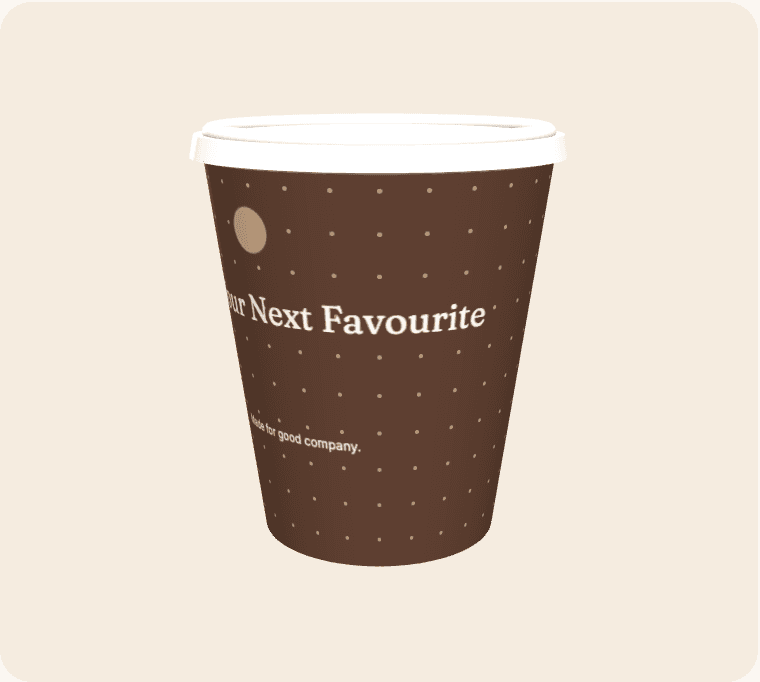
A short run can suit a tightly defined project: a launch weekend, a trial menu or a limited event. The useful question is not simply whether fewer cups cost less overall. Think about how many you can use while the message remains relevant, how they will be stored and who will approve the design. A smaller commitment can make a first experiment easier to evaluate, but it still needs the same careful artwork and specification checks as a larger order.
Separate the experiment from the stock
Define what you are testing before choosing a quantity. You might compare two messages, learn whether guests notice a QR code or decide whether a new identity works in service. Keep that question specific so the run produces a decision rather than a cupboard full of ambiguous leftovers.
Count usable occasions
Estimate drinks served during the actual campaign period, then allow for operational variation. Do not base the whole brief on total annual footfall if the artwork will be useful for only one weekend. Equally, plan enough coverage to avoid switching branding halfway through an important session.
Compare scenarios fairly
Use the pricing calculator to compare quantities with the same size, turnaround and extras. A lower unit figure can accompany a higher total commitment. Look at the total including relevant delivery and VAT, and keep indicative quotes separate from a confirmed commercial agreement.
Keep the next decision open
Avoid artwork that becomes obsolete immediately unless that is intentional. A general brand panel with a carefully chosen campaign message can be easier to reuse. Record what worked, what staff found awkward and what customers actually did before specifying another run.
From a brief to a reviewable design
Open the suggested template as a starting point, then replace its sample wording and artwork with material you are entitled to use. Select an active cup size and compare the editing surface with the curved wrap. Treat the seam, bleed and safe-area indicators as guidance based on the current geometry; supplier confirmation is still required before production.
Save a clearly named revision before asking other people to review it. Give reviewers a specific checklist: identity, spelling, contact details, placement and the intended destination of any code. Consolidate their feedback into one version instead of treating several similar files as equally final. Screen previews help with layout, but they do not certify material suitability, exact colour, resolution or a production-ready PDF.
Compare the complete project
Use the live calculator for quantities, turnaround options, extras and estimated delivery. Keep VAT and delivery assumptions visible when comparing scenarios. The figures are indicative until commercial details are confirmed, and a production range is not a courier guarantee. The estimator uses configured working days, cut-off time, closure dates and the England-and-Wales holiday calendar.
Live payments and manufacturing release remain closed while merchant and supplier acceptance is outstanding. Preparing a design is still useful: it gives the team a concrete brief to review. Confirm the actual product, commercial terms and receiving arrangements before announcing an arrival date or treating the artwork as approved for manufacture.